
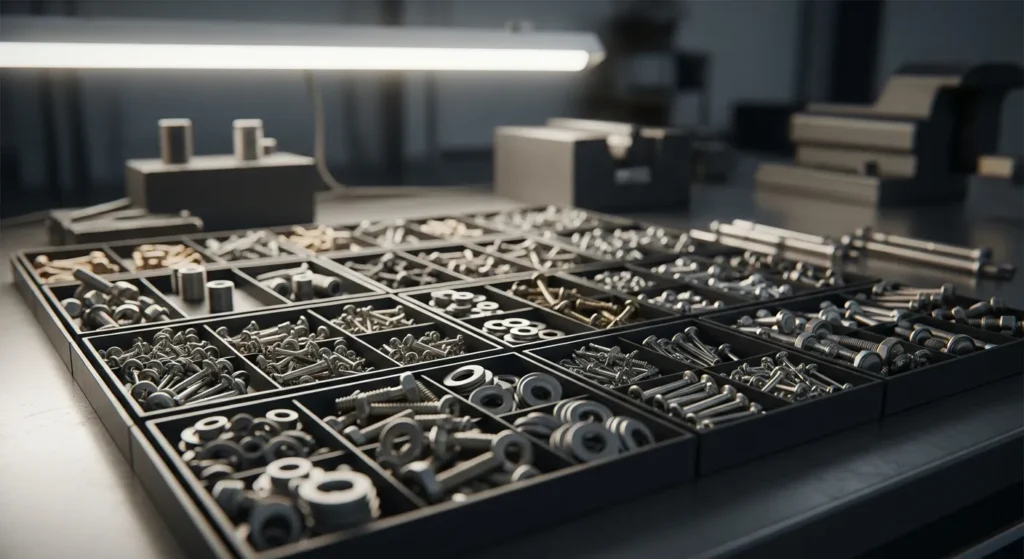
In many mechanical, industrial, and DIY projects, selecting the appropriate fasteners is a fundamental step toward building structures that are secure, durable, and safe. Whether you’re working on machinery, automotive repairs, furniture assembly, or structural frames, using the correct hardware ensures components remain tightly connected under stress, vibration, and load. Among these hardware essentials, fastening kits that include bolts and screws are particularly useful because they provide a range of components suited to various tasks and applications.
Table of Contents
ToggleWhat Are Fasteners and Why They Matter
Fasteners are hardware devices used to join or affix two or more objects together. They include screws, nuts, washers, rivets, and bolts, each with specific roles. When fasteners are correctly selected and installed, they contribute to the structural integrity of assemblies ranging from small electronic devices to large-scale construction projects.
Choosing the right fastener not only prevents loosening and wear, but it also helps protect materials from damage and reduces maintenance needs over time.
Understanding Basic Bolt and Screw Types
Bolts and screws may seem similar at first glance, but they serve different functions depending on the application:
Bolts
Bolts are typically used with nuts and sometimes with washers to secure components. They pass through aligned holes and are tightened externally.
Screws
Screws often engage directly with the material being fastened, cutting or forming threads as they are driven.
Both types come in various heads, drives, thread sizes, and lengths, making them adaptable to a wide range of materials including metal, wood, and plastics.
Advantages of Comprehensive Fastening Kits
While individual fasteners are useful, comprehensive kits offer several advantages that make them valuable for professionals and hobbyists alike:
-
Variety: Kits usually include multiple sizes and types, helping you find the right fit without repeated trips to the store.
-
Convenience: Pre-organised kits help keep your workspace neat and tools easy to locate.
-
Cost-effective: Bundled fasteners often cost less than purchasing each component separately.
-
Preparedness: Kits support projects of varying complexity, so you’re ready for unexpected needs.
For many people working across disciplines — electrical, automotive, construction, or maintenance — having a well-stocked fastening solution streamlines workflows and improves efficiency.
Key Features to Look For in Fastening Solutions
When evaluating fastener options, consider these criteria:
Material:
Fasteners are typically made from steel, stainless steel, alloy steel, brass, or other metals. Choose materials that match the requirements of strength, corrosion resistance, and environmental exposure.
Thread Type:
Coarse threads are often used for wood and general construction, while fine threads provide better strength in metal and precision assemblies.
Head Styles:
Bolts and screws come with different heads — hex, pan, socket, countersunk — affecting how they are driven and how flush they sit with the surface.
Finish and Coating:
Plating or coatings (zinc, phosphate, black oxide) help prevent rust and improve longevity, especially in outdoor or moist environments.
These features determine how a fastener performs in its intended setting.
Selecting Sizes and Load Ratings
Fastener size includes diameter, length, and thread pitch. Understanding how to measure and match these specifications prevents improper fastening, which can lead to loosening under load or stripping of threads.
Load ratings — often specified as tensile strength and shear capacity — tell you how much force a fastener can withstand before failure. For structural applications, selecting fasteners rated for the expected load ensures safety and reliability.
Installation Best Practices
Correct installation plays a vital role in fastener performance:
-
Pre-drill holes when necessary to avoid splitting materials.
-
Use washers where appropriate to distribute load and protect surfaces.
-
Torque to specification to ensure fasteners are tight enough without causing damage.
-
Avoid overtightening, which can strip threads or deform components.
Following recommended best practices helps ensure secure assemblies that last.
Applications in Everyday Projects
From professional workshops to home garages, fastening solutions are present in nearly every assembly task:
-
Construction: Bolts secure beams and supports, while screws fasten drywall and fixtures.
-
Automotive: Fasteners hold engine components, body panels, and suspension parts.
-
Furniture: Screws and bolts keep frames rigid and extend furniture longevity.
-
Electronics and machinery: Precision fasteners ensure moving parts stay aligned.
Having the right hardware on hand empowers people to tackle a wide range of tasks with confidence.
Keeping Fasteners Organised and Accessible
Workshops and toolkits benefit from well-organised storage of fastening solutions:
-
Compartment boxes sort components by type and size.
-
Labelled containers reduce search time.
-
Dedicated drawers or racks keep frequently used items easy to find.
Organisation improves productivity and reduces frustration when selecting the correct component for a job.
Safety Considerations with Fasteners
While fasteners may be small, improper use can lead to safety issues such as loosening under load or failure during operation. Consider these safety tips:
-
Always match fastener type to application.
-
Use protective gear when drilling or driving fasteners.
-
Inspect assemblies periodically for loosening or wear.
-
Replace damaged fasteners promptly rather than reusing compromised components.
These precautions help avoid accidents and prolong the life of both the fastener and the assembly.
Emerging Trends in Fastener Technology
Fastening technology continues to evolve with materials innovation and design improvements. Some trends include:
-
High-strength alloys for increased load capacity
-
Corrosion-resistant coatings for outdoor and marine use
-
Specialised designs for quick installation with minimal tools
-
Integrated fasteners that combine sealing or vibration resistance
These developments support modern engineering demands while helping maintain efficiency and durability.
Making the Right Choice for Your Projects
Choosing the right fastener solution involves understanding the requirements of your specific application, the materials involved, and the loads the assembly will face. Whether you work in a professional setting or handle regular maintenance tasks at home, knowing what to look for helps ensure that projects are completed with confidence and longevity.
For those seeking flexible solutions and a range of options, exploring a suitable bolt kit collection provides a foundation for secure, reliable assemblies across many tasks and environments.


